Master Large-Clump Granola: Pro Tips for Perfect Homemade Crunch
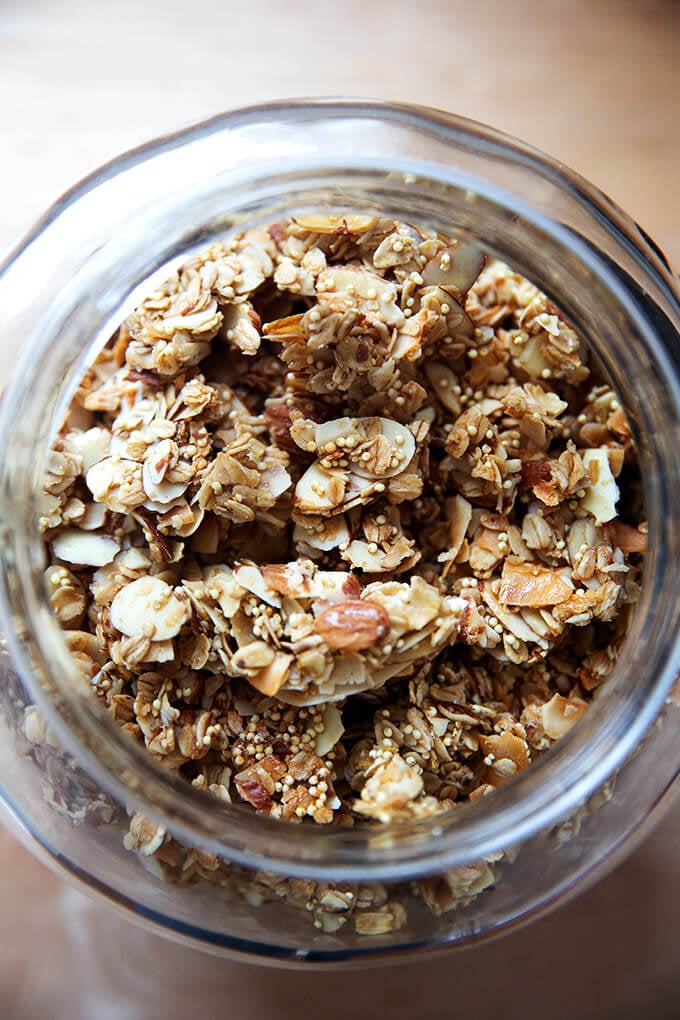
There's something incredibly satisfying about a bowl of homemade granola – that perfect balance of wholesome oats, crunchy nuts, and a sweet, golden glaze. But let's be honest, not all homemade granola is created equal. The holy grail for many is achieving those coveted, substantial clumps that make every spoonful a delight. Forget the sad, crumbly dust at the bottom of the bag; we're talking about glorious, ragged shards of toasted goodness. And what if you could achieve this perfection while also making choices that empower communities around the globe?
Making excellent large-clump granola is not just about the right ingredients, though they certainly play a pivotal role. It's about technique, patience, and a few insider secrets that transform ordinary oats into an extraordinary, year-round staple. Whether it’s a healthy breakfast with yogurt, a quick after-school snack, or a topping for your smoothie bowl, your homemade, clump-filled granola will quickly become a household favorite.
The Secret Sauce: Mastering Large-Clump Granola Techniques
Achieving those delightful clusters isn't magic; it's a careful dance between heat, time, and restraint. Here are the cornerstone techniques that will elevate your granola from good to gourmet:
- Don't Stir, Seriously: This is perhaps the most crucial tip. While it might feel counterintuitive to leave your granola untouched in the oven, resisting the urge to stir is key to clump formation. Stirring breaks apart the nascent bonds forming between the oats, sweeteners, and fats. Let it bake undisturbed, and then—just as importantly—don't stir it once it's out of the oven.
- Embrace Lower Temperatures: Baking at a lower temperature, around 275ºF (135ºC), for a longer duration (typically 45 minutes to an hour or until lightly golden) allows the granola to brown slowly and evenly. This gentle heat promotes the caramelization of sugars and the solidification of fats, creating a robust, interconnected structure without burning the edges. High heat rushes the process, leading to uneven cooking and less clumping.
- Cool Completely on the Sheet Pan: Once you remove your beautifully golden granola from the oven, it will still feel soft and pliable. This is normal! The magic happens during the cooling process. As the granola cools on the hot sheet pan, the sugars harden, and the fats solidify, allowing the clusters to crisp up and set into firm, satisfying clumps. Think of it like a brittle; it needs to cool to become brittle. Once completely cool, you can break it into those big, ragged shards we all crave.
- Go Big or Go Home: If you're going through the effort of making homemade granola, there's no point in making a tiny batch. A large batch ensures you have enough for weeks, and it often bakes more consistently. For this reason, investing in a single, large, heavy-gauge rimmed sheet pan is highly recommended. A bigger surface area allows for a thinner, more even layer of granola, which is essential for uniform baking and optimal clumping. Using parchment paper also ensures easy removal and prevents sticking.
- A Gentle Press: Before baking, after spreading your granola mixture evenly on the sheet pan, gently press it down with the back of a spatula. This slight compaction encourages the ingredients to bind together even more effectively, forming a solid slab that will break into magnificent clusters once cooled.
Building Your Perfect Batch: Beyond Oats and Maple
While technique is vital, the quality and combination of your ingredients are what truly define your granola's flavor profile and texture. Here’s how to choose and combine the best elements for your ultimate large-clump granola:
- The Oat Foundation: Rolled oats (old-fashioned oats) are the undisputed champion for granola. Their hearty texture holds up well during baking and provides the perfect base for clumping. Avoid quick-cooking or instant oats, which can become mushy.
- Sweeteners and Binders: Maple syrup and honey are excellent choices, providing natural sweetness and acting as crucial binders. The reference specifically highlights maple syrup and sea salt, a classic and delicious combination. Agave nectar can also be used. The stickiness of these liquid sweeteners is what helps the oats and other ingredients cling together.
- Fats for Flavor and Texture: This is where the magic really happens. While olive oil or butter can work, many enthusiasts swear by coconut oil granola for its distinct flavor, delightful aroma, and ability to solidify at room temperature, further aiding in cluster formation. The rich, subtle sweetness of coconut oil complements the oats and nuts beautifully, giving your granola a wonderful depth. For an extra tropical twist, you might even consider adding shredded coconut directly into the mix!
- Nuts and Seeds Galore: Load your granola with your favorite nuts and seeds for added nutrition and crunch. Almonds, pecans, walnuts, pumpkin seeds, sunflower seeds, chia seeds, and flax seeds are all fantastic choices. Roasting them as part of the granola enhances their flavor significantly.
- Flavor Boosters: A pinch of sea salt (as mentioned in the reference) is non-negotiable, balancing the sweetness and enhancing all other flavors. Vanilla extract, cinnamon, cardamom, or even a dash of ginger can add warmth and complexity.
- Post-Bake Mix-ins: Dried fruits like cranberries, apricots, cherries, or raisins should be added after the granola has cooled to prevent them from becoming overly hard or burnt. Similarly, chocolate chips (like in the referenced chocolate coconut quinoa granola) should be stirred in only after the granola is completely cool to ensure they retain their shape and melt in your mouth, not on the baking sheet.
Savoring the Sweetness: The Power of Fair Trade Choices
Beyond creating delicious food, our choices in the kitchen can have a profound impact. Opting for Fair Trade Certified ingredients in your homemade granola is a powerful way to support ethical practices and empower communities worldwide. Fair Trade isn't just a label; it's a movement ensuring that farmers and workers in developing regions receive fair compensation for their goods and labor, work in safe conditions, and have the resources to invest in their families and communities for a sustainable future.
Many of the key ingredients in your perfect granola can be sourced ethically. Think about fair trade cocoa for your chocolate chips, fair trade sugar to complement your maple syrup, or even ethically sourced coconut oil. By consciously choosing these ingredients, you're not just buying a product; you're contributing to a system that respects people and the planet.
The Fair Trade USA campaign, often highlighted around significant events like Mother's Day, celebrates the incredible women and mothers who are fair trade farmers and workers, showing the tangible positive impact of these practices. These choices allow producers to build sustainable businesses, access education, and foster better living conditions, creating a ripple effect of positive change. To learn more about this vital movement, read our article: Fair Trade Granola: Empowering Farmers & Building Sustainable Lives.
Furthermore, keep an eye out for fair trade giveaway events, often hosted by brands like Grandy Organics or Dr. Bronner's, or even smaller initiatives by food blogs like Jelly Toast or Eat, Live, Run. These giveaways are a fantastic way to discover new fair trade products, from premium ingredients for your next batch of Win Big: Fair Trade Granola Giveaways & Why They Matter to finished goods like delicious fair trade granola. Participating not only gives you a chance to win but also helps spread awareness about the importance of ethical sourcing.
Troubleshooting and Storage for Granola Perfection
Even with the best tips, sometimes things don't go exactly as planned. Here are a few common issues and how to troubleshoot them, plus tips for keeping your granola fresh:
- Granola is Too Crumbly: This often means you either stirred it too soon during or after baking, or perhaps didn't use enough binder (sweetener/fat ratio). Next time, press it down more firmly before baking and resist stirring.
- Granola is Too Soft/Chewy: It likely needs more time in the oven. Bake until it's a deep golden brown, not just lightly colored. Ensure your oven temperature is accurate. Humidity can also affect crispness; ensure it cools completely in a dry environment.
- Granola is Burnt: Your oven might be running too hot, or you baked it for too long. Invest in an oven thermometer to verify accuracy. Lower the temperature slightly or reduce baking time next round.
- Storage: Once completely cool and broken into clumps, store your homemade granola in an airtight container at room temperature. It will stay fresh and crunchy for 2-3 weeks, though it's so delicious, it rarely lasts that long!
Mastering large-clump granola is a rewarding culinary journey that yields a healthy, delicious, and incredibly versatile staple for your kitchen. By following these simple yet powerful techniques, you'll consistently achieve those coveted clusters that make every bite a joy. And by choosing fair trade ingredients, from your nuts to your coconut oil, you're not just crafting a treat for yourself; you're contributing to a more equitable and sustainable world. So, tie on your apron, preheat your oven, and get ready to enjoy the best homemade granola you've ever tasted. Who knows, perhaps your next amazing fair trade giveaway prize will be the perfect ingredients for another batch!
